Main overview · What “not on GAMSTOP” means · Payment risks · Help options
GamStop Self-Exclusion Rules and UK Casino Account Access
 Available in US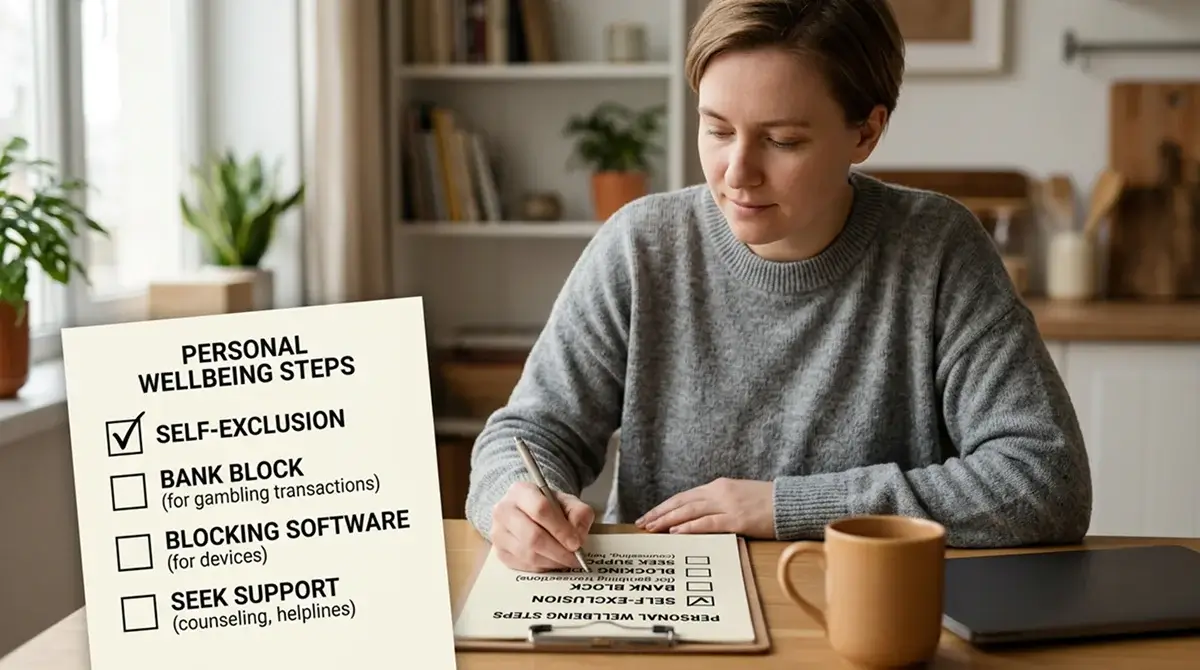
Table of Contents
Main Features of UK GamStop Self-Exclusion Tools
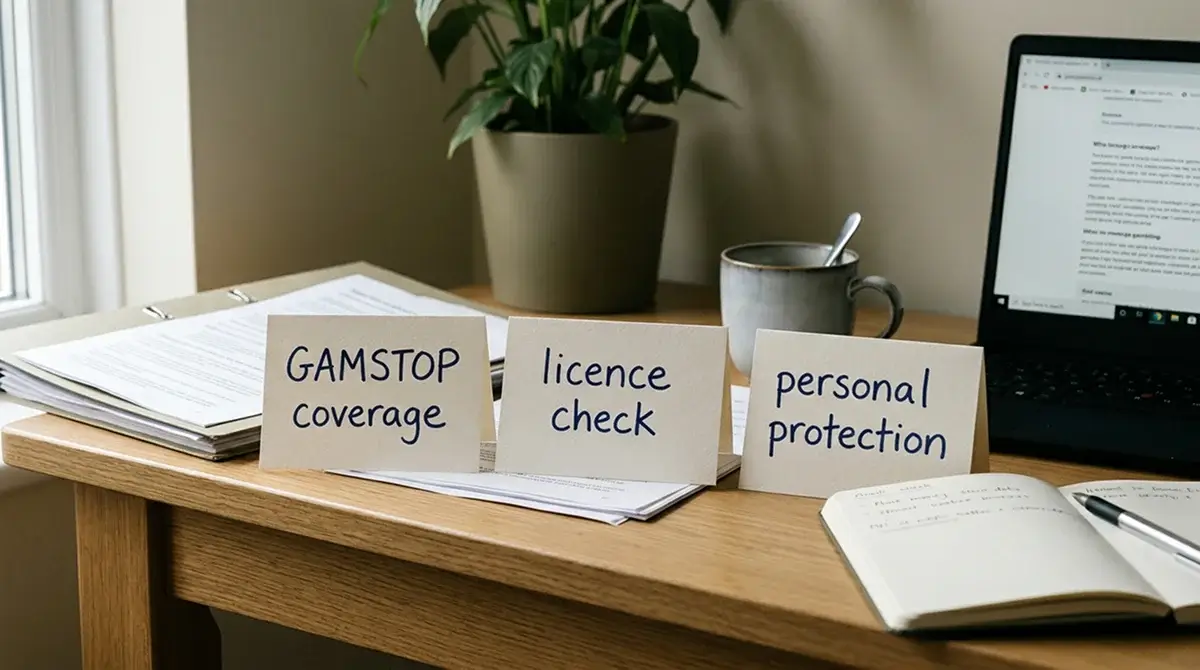
GAMSTOP is a self-exclusion service for online gambling with participating companies licensed in Great Britain. GB-licensed online gambling operators must take part in the service. When your details match, the participating operator should stop you from opening or using online gambling accounts during the exclusion period.
That protection is strongest when your details are accurate and when you do not try to work around it. GAMSTOP’s own terms say the service works best when users do not attempt to avoid exclusion measures and keep their details up to date. That is why advice about changing details, using another route or finding a site outside the block is not neutral information. For someone who chose self-exclusion, it can undermine the protection at the point it is most needed.
GAMSTOP is not the whole of gambling protection. It does not make every gambling temptation disappear. It does not cover every place where gambling may happen. It does not treat gambling harm by itself. It is one layer, and many people need more than one layer: bank gambling blocks, blocking software, venue self-exclusion, trusted-person support, debt guidance or specialist gambling support.
If you feel overwhelmed by your habits, it is highly recommended to explore professional help options if gambling feels hard to control.
Periods and early cancellation
GAMSTOP registration periods include 6 months, 1 year, 5 years and 5 years with automatic renewal. During the minimum exclusion period, GAMSTOP says the exclusion cannot be cancelled early. That boundary is important. If the period could be removed during an urge to gamble, the protection would be much weaker.
Once an exclusion period has ended, the details and next steps are handled through GAMSTOP’s own process. A person should use GAMSTOP’s official information rather than rely on informal claims about accounts reopening, delays or shortcuts. If the block is still active, the useful question is not “How do I get around this?” but “What can I do in the next hour that reduces pressure?”
Decision path: choose the situation that fits
| Your situation | Safer next step | What not to do |
|---|---|---|
| You are already self-excluded and want to gamble | Keep the block in place, step away from gambling content and consider speaking to a support service. | Do not look for sites, payment routes or account changes that weaken the block. |
| Your details may be out of date | Check GAMSTOP’s official information about keeping details current so the exclusion works as intended. | Do not treat outdated details as an opportunity to bypass the block. |
| You are thinking about registering | Read the available periods and choose a period that creates meaningful distance from gambling. | Do not register as a symbolic step while planning an alternative route. |
| You are worried about harm now | Use a support route such as GambleAware or GamCare, and consider immediate practical barriers such as bank blocks. | Do not wait until losses or stress have become worse before asking for help. |
If the block feels annoying, that does not mean it is wrong
Self-exclusion can feel inconvenient, embarrassing or irritating. Those feelings do not prove that the block was a mistake. They may simply show that the block is interrupting a habit, a chase after losses or a strong urge. A useful way to handle that moment is to delay any gambling-related action and do something concrete that does not involve a site: leave the room, message someone you trust, move money away from easy access, check your bank’s gambling-block options, or open a support page.
None of those steps has to solve everything today. The aim is to make the next decision less rushed. Gambling pressure often becomes sharper when the person is tired, upset, bored, in debt or trying to recover money already lost. A protective layer gives that pressure less room to turn into an immediate deposit.
Layers that can sit alongside GAMSTOP
- Bank gambling blocks: many banks offer tools that can block gambling transactions or add friction before they can be switched off.
- Blocking software: software can reduce access to gambling websites and apps. It is not a cure, but it can reduce exposure.
- Venue self-exclusion: separate schemes may apply to land-based gambling venues. Online self-exclusion does not automatically answer every venue situation.
- Support services: organisations such as GambleAware and GamCare publish help routes for people affected by gambling.
- Trusted-person support: telling one reliable person can make it easier to avoid private, rushed decisions.
These layers are not guarantees. They work better when they are combined and kept in place, not when each one is tested for a weakness.
It can also help to remove practical triggers while the urge is strongest. That might mean closing gambling emails, deleting saved payment details where possible, avoiding gambling streams or odds pages, and putting a short written plan somewhere visible. Simple barriers are useful because they make the next gambling action slower and less automatic.
Official places to use
- GAMSTOP registration information
- GAMSTOP information on early cancellation
- GambleAware information on blocking and self-exclusion
- GamCare
When to move from information to support
If you are reading this because you are trying to gamble during an exclusion, the most useful step is not more information about gambling sites. It is support and practical distance. That might mean using a blocking tool, contacting a gambling support service, asking your bank about gambling blocks, or telling someone close that the urge has come back.
If debt, rent, bills, borrowing or relationship pressure is part of the situation, gambling information alone is too narrow. A support service can help you decide what kind of help fits, and debt guidance may be needed as a separate step. The important point is to avoid turning one stressful moment into a private financial decision.
We strongly encourage players struggling with control to utilize the resources listed on the reliable UK gambling safety guide rather than seeking loopholes.
Related pages
- Help options if gambling feels hard to control
- Payments, bank blocks and credit-card rules
- What “not on GAMSTOP” means in Great Britain
- What to do if a gambling account or withdrawal goes wrong
Created by the "Casino not on Gamstop" editorial team.