Main overview · Check a licence · GAMSTOP and self-exclusion · Claims to treat carefully
UK Non GamStop Casino Meaning and Licensing Features
 Available in US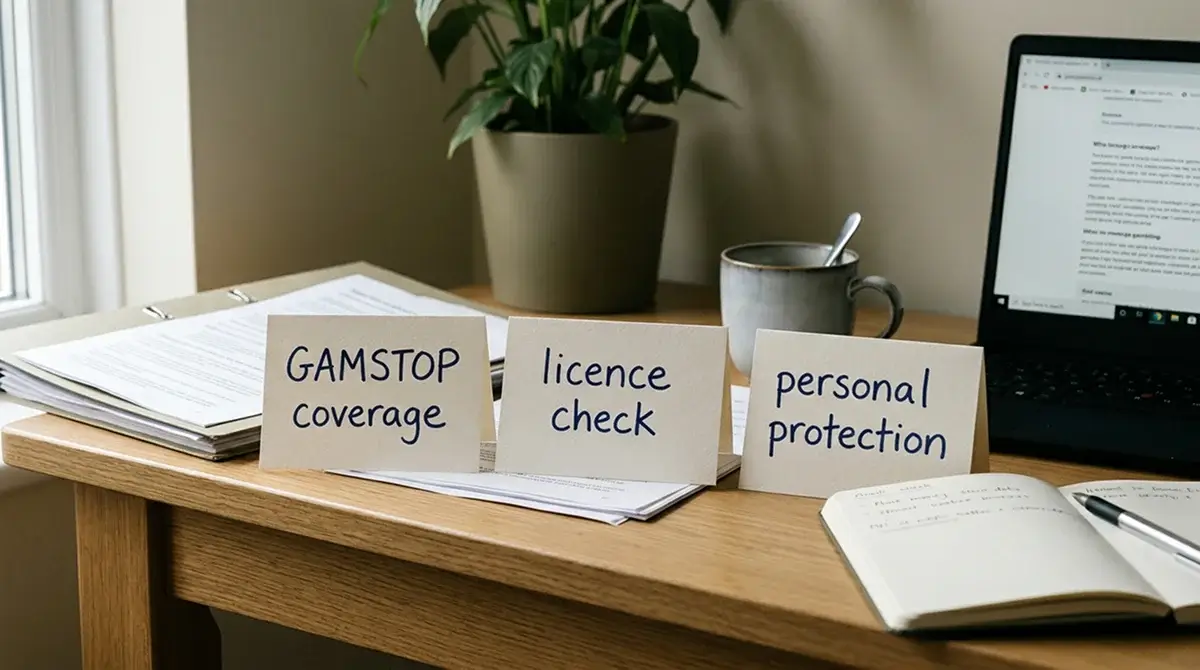
Table of Contents
- Comparing Coverage and Quality in Non GamStop Casinos
- Term map: four ideas that should not be mixed up
- Why the phrase can be a warning sign
- What the phrase does not prove
- How to respond without turning it into a shortcut
- Official places worth checking next
- When to stop reading about sites and focus on protection
- Related pages
Comparing Coverage and Quality in Non GamStop Casinos
GAMSTOP is a self-exclusion service for online gambling with companies licensed in Great Britain. When a site presents itself as outside GAMSTOP, the important point is not whether the wording sounds convenient. The important point is that the usual GAMSTOP block may not apply there. A reader who has self-excluded should treat that as a protection issue, not as a route back into gambling.
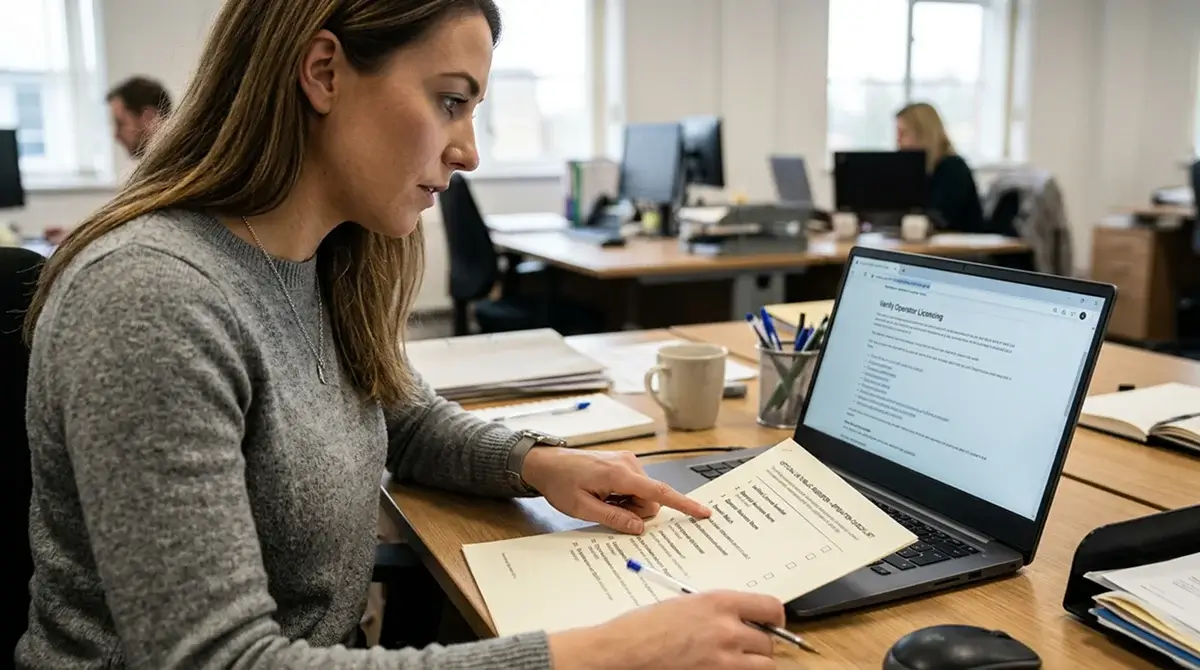
The Gambling Commission regulates gambling in Great Britain, while Northern Ireland should not automatically be folded into every Great Britain statement unless a source specifically covers it. For a Great Britain reader, a remote gambling business should be checked against the Gambling Commission’s public information, not judged by a badge, a review line or a short claim in the footer of a website. A licence claim is only useful when the business name, trading name, website address and status can be matched through official information.
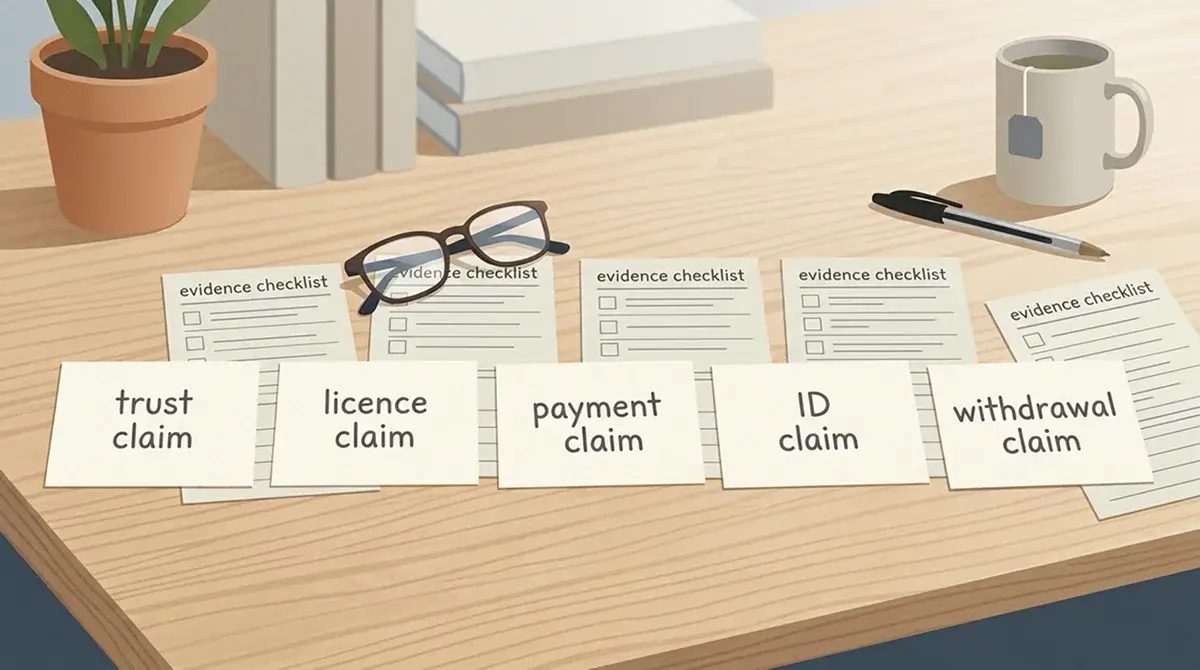
This distinction matters because “not on GAMSTOP” can be used in several ways. Sometimes it is a loose description of offshore gambling. Sometimes it is part of a sales pitch aimed at people who have been blocked by self-exclusion, affordability controls, verification checks or bank gambling blocks. Sometimes it appears beside claims about “no ID”, “fast withdrawals” or “higher limits”. None of those phrases proves that a site is safe, fair, licensed or suitable for a particular person.
Once you understand the terminology, the next crucial step is learning how to check a gambling site before you deposit to ensure your funds are secure.
Term map: four ideas that should not be mixed up
| Idea | What it means | Why it matters |
|---|---|---|
| GAMSTOP coverage | A GB online self-exclusion network that licensed online gambling operators must take part in. | If you are self-excluded, a site outside that coverage can undermine a protection you chose or needed. |
| Gambling Commission licence | Official permission for a gambling business to offer specified gambling activities in Great Britain. | A licence claim should be checked against the official register, including the domain and business details. |
| Offshore or unverified operation | A site that may be based outside Great Britain, or whose licence claim cannot be matched to official GB information. | Complaints, payment problems, identity checks and customer-fund issues may be harder to resolve. |
| Personal protection | Tools such as self-exclusion, bank gambling blocks, blocking software, time away and support services. | These are about reducing harm, not about finding another route to gamble. |
Why the phrase can be a warning sign
A gambling site does not become a better choice just because it says it is not part of GAMSTOP. The phrase can point to missing protection, a hard-to-check licence position or a sales message aimed at people who are trying to continue gambling despite a block. The Gambling Commission warns consumers to check whether a gambling business is licensed and to be cautious with overseas or illegal sites. GAMSTOP’s own terms also make clear that the service works best when users do not try to work around exclusion measures.
That does not mean every mention of the phrase proves the same problem. It means the wording should slow the reader down. A sensible response is to ask a narrow set of questions: Who is the licensed business? Does the domain match the register entry? What country and regulator are being relied on? Does the site target people who are self-excluded? Is the wording encouraging someone to ignore a block, a bank control or an identity check? If the answer is unclear, the uncertainty itself is important.
A common mistake is to treat “not on GAMSTOP” as a product category with ordinary advantages and disadvantages. That framing hides the main issue. The phrase sits at the boundary between licensing, consumer protection and gambling harm. Someone who simply wants to understand the wording needs a definition. Someone who is already blocked or worried about control needs a safer next step, not a list of places to try.
What the phrase does not prove
- It does not prove that a gambling business is licensed for Great Britain.
- It does not prove that withdrawals will be paid quickly or fairly.
- It does not prove that identity checks will be lighter, earlier, later or absent.
- It does not prove that complaints can be handled through the same routes as a GB-licensed operator.
- It does not prove that customer funds are protected in a particular way.
- It does not prove that a person who has self-excluded should gamble again.
The safer way to read the phrase is: “the usual GAMSTOP protection may not apply here, so I need to check the licence position and my own risk before doing anything.” That is a very different message from treating it as a recommendation.
How to respond without turning it into a shortcut
Start with the official angle. The Gambling Commission provides public information on what to look at before gambling and a public register for checking gambling businesses. Use those resources before relying on a website’s own badge or wording. If the site cannot be matched to a GB licence, do not fill the gap with forum comments, screenshots or “trusted by players” language. Those may be opinions, marketing or out-of-date claims.
Next, think about why the phrase caught your attention. If the reason is a self-exclusion block, a spending limit, a bank gambling block or a fear that gambling is becoming hard to control, the practical answer is not to find a site outside the block. It is to protect the block, add other layers and speak to a support service if needed. GambleAware and GamCare publish help routes for people affected by gambling, and GAMSTOP has information about keeping exclusion details current.
If the reason is simple curiosity, keep the question narrow: what does the phrase mean, what can be verified, and what remains unknown? You can then move to a licence check, a payment-risk check or a review of claims without treating the phrase as a green light.
Official places worth checking next
- Gambling Commission guidance on what to look at before you gamble
- Gambling Commission public register
- GAMSTOP
- GambleAware information on blocking and self-exclusion
When to stop reading about sites and focus on protection
If you are looking at “not on GAMSTOP” because you are self-excluded, because you feel pulled back into gambling, or because someone else is worried about your gambling, pause before checking any site. A block is meant to create distance at the moment when gambling may feel urgent. Keeping the block in place is usually more useful than trying to test its edges.
A practical protection step can be small: check that your GAMSTOP details are up to date, ask your bank about gambling blocks, use blocking software, or speak with a support service. None of these steps has to be dramatic. The point is to reduce the chance of a rushed decision when money, identity documents and emotional pressure are involved.
For a complete overview of player protection, always consult our main independent UK casino guide before registering an account.
Related pages
- How to check a gambling site before you deposit
- GAMSTOP, self-exclusion and what to do if you are blocked
- Claims to treat carefully before using any gambling site
- Help options if gambling feels hard to control
Created by the "Casino not on Gamstop" editorial team.